Foodborne illnesses affect millions of people each year and remain one of the most significant public health concerns in the food service industry. Restaurants, food trucks, catering businesses, and other food establishments have a responsibility to serve safe food and prevent contamination that can lead to illness.
Preventing foodborne illnesses requires proper food handling, employee training, sanitation practices, temperature control, and ongoing compliance with food safety regulations. By implementing effective food safety procedures, restaurants can protect customers, reduce liability, and maintain a positive reputation.
AAA Food Handler is a nationally recognized provider of Food Manager Certification, Food Handler Training, Food Allergen Awareness Training, and Alcohol Server Training. Our programs help food service professionals develop the knowledge and skills needed to prevent foodborne illnesses and maintain safe food operations.
What Are Foodborne Illnesses?
Foodborne illnesses are infections or diseases caused by consuming contaminated food or beverages. Contamination may occur when food contains harmful bacteria, viruses, parasites, toxins, or chemicals that can cause illness.
Foodborne illnesses can affect anyone, but young children, older adults, pregnant women, and individuals with weakened immune systems are often at greater risk of severe complications.
Understanding the causes of foodborne illnesses is the first step toward preventing them.
What Causes Foodborne Illnesses?
Foodborne illnesses typically occur when food becomes contaminated during storage, preparation, cooking, or service.
Common causes include:
- Improper handwashing
- Cross-contamination
- Undercooked foods
- Unsafe food temperatures
- Poor personal hygiene
- Improper food storage
- Contaminated equipment and utensils
- Inadequate cleaning and sanitizing
- Food obtained from unsafe sources
Many foodborne illness outbreaks can be prevented through proper food safety management and employee training.
Why Are Foodborne Illnesses a Serious Concern for Restaurants?
Foodborne illness outbreaks can have serious consequences for both customers and food establishments.
Potential impacts include:
- Customer illness and hospitalization
- Negative publicity
- Loss of customer trust
- Regulatory penalties
- Lawsuits and legal expenses
- Temporary closures
- Financial losses
A single food safety incident can significantly affect a restaurant’s reputation and long-term success. Establishing strong food safety practices helps reduce risks and protect public health.
How Can Restaurants Prevent Foodborne Illnesses?
Preventing foodborne illnesses requires a proactive approach that involves management, employees, and consistent food safety procedures.
Practice Proper Handwashing
Handwashing is one of the most effective ways to prevent the spread of harmful pathogens.
Employees should wash their hands:
- Before handling food
- After handling raw meat, poultry, or seafood
- After using the restroom
- After touching garbage
- After coughing, sneezing, or touching their face
- After cleaning tasks
Proper handwashing should include soap, warm water, and scrubbing for at least 20 seconds.
Prevent Cross-Contamination

Cross-contamination occurs when harmful microorganisms transfer from one food or surface to another.
Common examples include:
- Using the same cutting board for raw meat and ready-to-eat foods
- Storing raw meat above prepared foods
- Using contaminated utensils without proper cleaning
Restaurants can reduce cross-contamination risks by using separate equipment, color-coded cutting boards, and proper storage procedures.
Cook Foods to Safe Temperatures
Cooking food to the proper internal temperature helps destroy harmful bacteria and pathogens.
Examples of safe cooking temperatures include:
- Poultry: 165°F
- Ground meats: 155°F
- Seafood: 145°F
- Whole cuts of beef and pork: 145°F
Food thermometers should always be used to verify temperatures rather than relying on appearance alone.
Store Food Properly
Improper storage creates opportunities for bacterial growth and contamination.
Best practices include:
- Maintaining refrigeration at 41°F or below
- Keeping frozen foods frozen
- Labeling and dating foods
- Following FIFO (First In, First Out) inventory practices
- Separating raw foods from ready-to-eat foods
Proper storage helps maintain food quality and safety throughout its shelf life.
Clean and Sanitize Equipment Regularly

Food-contact surfaces can become contaminated if not cleaned and sanitized properly.
Items that require regular cleaning include:
- Cutting boards
- Knives
- Food preparation tables
- Storage containers
- Cooking equipment
- Utensils
Cleaning removes visible debris, while sanitizing reduces harmful microorganisms to safe levels.
Train Employees Consistently
Employee training is one of the most effective tools for preventing foodborne illnesses.
Staff should understand:
- Personal hygiene requirements
- Safe food handling procedures
- Temperature control practices
- Cleaning and sanitizing methods
- Cross-contamination prevention
- Allergen awareness.
Regular training reinforces food safety practices and promotes a culture of compliance.
What Are the Most Common Foodborne Illnesses?
Several pathogens are responsible for many foodborne illness cases each year.
Salmonellosis
Salmonella bacteria are commonly associated with raw poultry, eggs, and contaminated produce. Symptoms often include fever, diarrhea, and abdominal cramps.
Norovirus
Norovirus is highly contagious and frequently spreads through contaminated food, water, or infected food handlers. It is one of the leading causes of foodborne illness outbreaks.
Escherichia coli (E. coli)
Certain strains of E. coli can cause severe gastrointestinal illness. Undercooked ground beef and contaminated produce are common sources.
Listeriosis
Listeria monocytogenes can grow at refrigeration temperatures and may be found in deli meats, soft cheeses, and ready-to-eat foods.
Campylobacteriosis
Campylobacter infections are commonly linked to raw poultry, unpasteurized milk, and contaminated water.
Understanding these pathogens helps food establishments implement appropriate preventive measures.
What Are the Symptoms of Foodborne Illnesses?
Symptoms vary depending on the specific pathogen but commonly include:
- Nausea
- Vomiting
- Diarrhea
- Stomach cramps
- Fever
- Fatigue
- Dehydration
Symptoms may appear within hours or several days after consuming contaminated food.
Anyone experiencing severe symptoms should seek medical attention promptly.
How Does Food Manager Certification Help Prevent Foodborne Illnesses?
Food managers play a critical role in establishing and maintaining safe food handling practices.
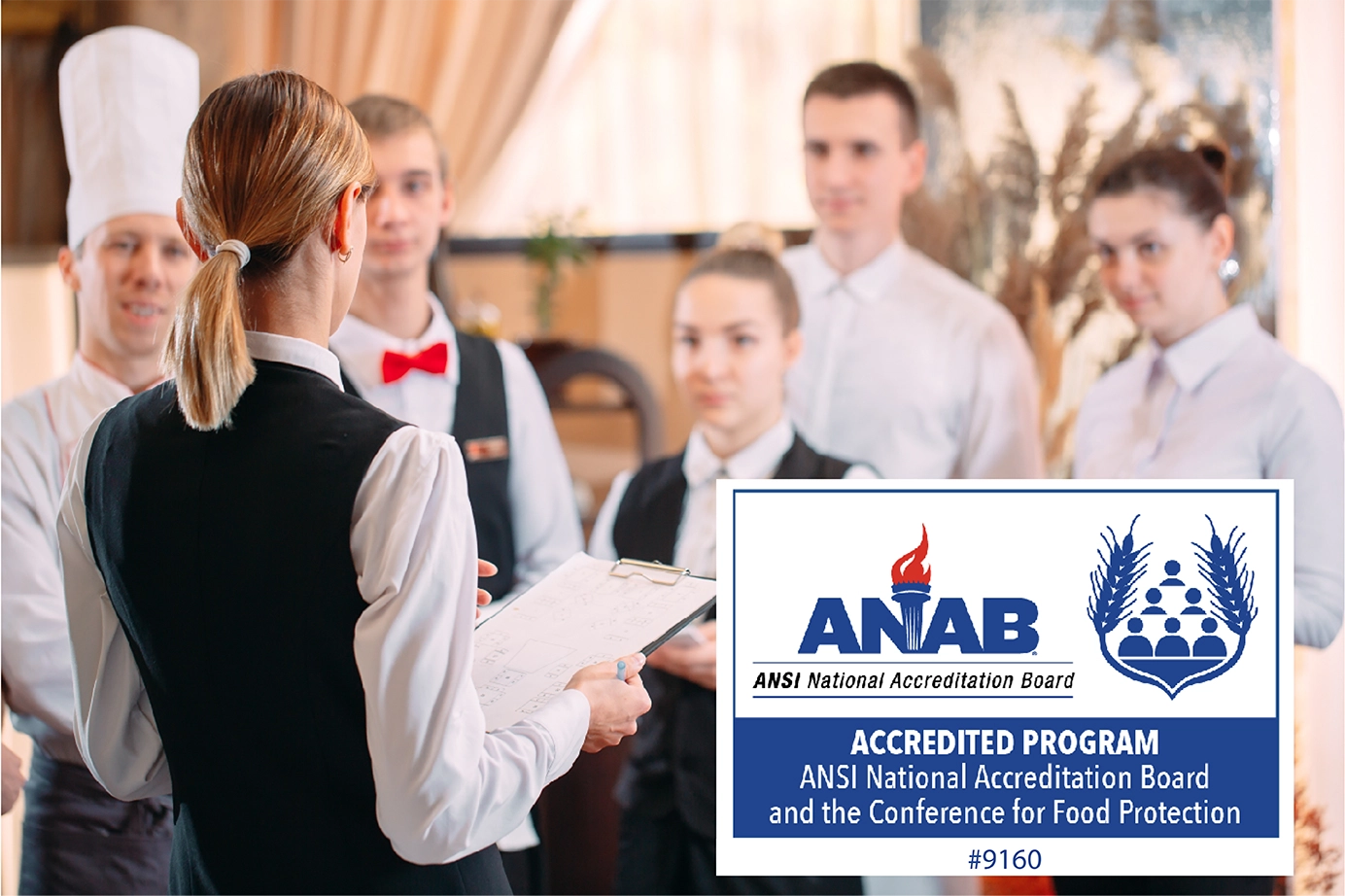
AAA Food Handler’s ANAB-CFP Accredited Food Manager Certification program helps managers understand:
- Foodborne illness prevention
- Temperature control requirements
- Hazard identification
- Food safety regulations
- Employee supervision
- Corrective actions
- Risk management strategies
Certified managers are better equipped to identify hazards, implement preventive controls, and maintain compliance with food safety standards.
Creating a Food Safety Culture That Prevents Foodborne Illnesses
Preventing foodborne illnesses requires more than following a checklist. Successful food establishments create a culture where food safety is a daily priority.
Management should lead by example, provide ongoing training, encourage accountability, and continuously monitor food safety practices. Employees should understand their responsibilities and feel empowered to report concerns and correct unsafe behaviors.
When food safety becomes part of an organization’s culture, the risk of foodborne illness decreases significantly.
Protect Your Customers with Food Safety Training

Preventing foodborne illnesses starts with proper food safety education. AAA Food Handler offers ANAB-CFP Accredited Food Manager Certification, Food Handler Training, Food Allergen Awareness Training, and Alcohol Server Training designed to help food establishments reduce risks, improve compliance, and protect public health.
Whether you manage a restaurant, food truck, catering operation, or commercial kitchen, our online training programs provide the knowledge needed to prevent contamination and maintain safe food handling practices.
Frequently Asked Questions
What Are Foodborne Illnesses?
Foodborne illnesses are infections or diseases caused by consuming contaminated food or beverages containing harmful bacteria, viruses, parasites, toxins, or chemicals.
What Causes Foodborne Illnesses?
Foodborne illnesses are commonly caused by improper food handling, cross-contamination, poor personal hygiene, inadequate cooking temperatures, and unsafe food storage practices.
What Are The Most Common Foodborne Illnesses?
Some of the most common foodborne illnesses include Salmonella infections, Norovirus infections, E. coli infections, Listeria infections, and Campylobacter infections.
How Can Restaurants Prevent Foodborne Illnesses?
Restaurants can prevent foodborne illnesses by following proper handwashing procedures, preventing cross-contamination, cooking food to safe temperatures, maintaining sanitation standards, and providing employee food safety training.
Why Is Food Safety Training Important?
Food safety training helps employees understand foodborne hazards, safe food handling procedures, sanitation requirements, and compliance responsibilities that reduce the risk of foodborne illness outbreaks.
Does Food Manager Certification Help Prevent Foodborne Illnesses?
Yes. Food Manager Certification teaches food safety principles, risk management strategies, temperature control requirements, and foodborne illness prevention techniques that help reduce contamination risks.
Does Aaa Food Handler Offer Food Safety Training?
Yes. AAA Food Handler offers ANAB-CFP Accredited Food Manager Certification, Food Handler Training, Food Allergen Awareness Training, and Alcohol Server Training to help food establishments improve food safety and compliance.